Aquatron STP by India Water Systems · Available all over India
Sludge free.
Smell free.
Operator free.
A patented European separation process that keeps faecal solids out of your sewage line altogether — no moving parts, no electricity, no chemicals. 300+ plants in India, 12,000+ worldwide, engineered and serviced by India Water Systems at sites across the country.
35%
Lower project CAPEX
65%
Less electricity drawn
80%
Lower annual OPEX
60%
Less built-up space
01
No sludge to handle
Solids never enter the plant, so there is no sludge pump, no press and nothing to cart away.
02
No operator up to 500 KLD
No moving parts in the separation stage means routine attention instead of round-the-clock shifts.
03
50-year design life
Patented European technology, proven over 38+ years with 12,000+ installations worldwide.
04
Water fit for reuse
Filtered and UV-disinfected output for gardening, flushing and chiller make-up.
Trusted where downtime is not an option
High-altitude army posts, hospitals running continuous loads, co-working floors and residential towers — the same separation process, sized to the site. First prize at Swachhathon 1.0 in 2017, 38+ years of field history.
See installed references →At a glance
- Plants in India
- 300+
- Worldwide
- 12,000+
- Years of field history
- 38+
- Design life
- 50 yrs
Serving projects all over India
Our head office is in Hyderabad, and we work across the country. Sewage treatment plants are surveyed, sized, installed and serviced at sites in every state of India, from Ladakh to Chennai.
Where Aquatron STPs are working
The same process scales from a single farmhouse to a 380 KLD institutional plant — only the number of units changes.
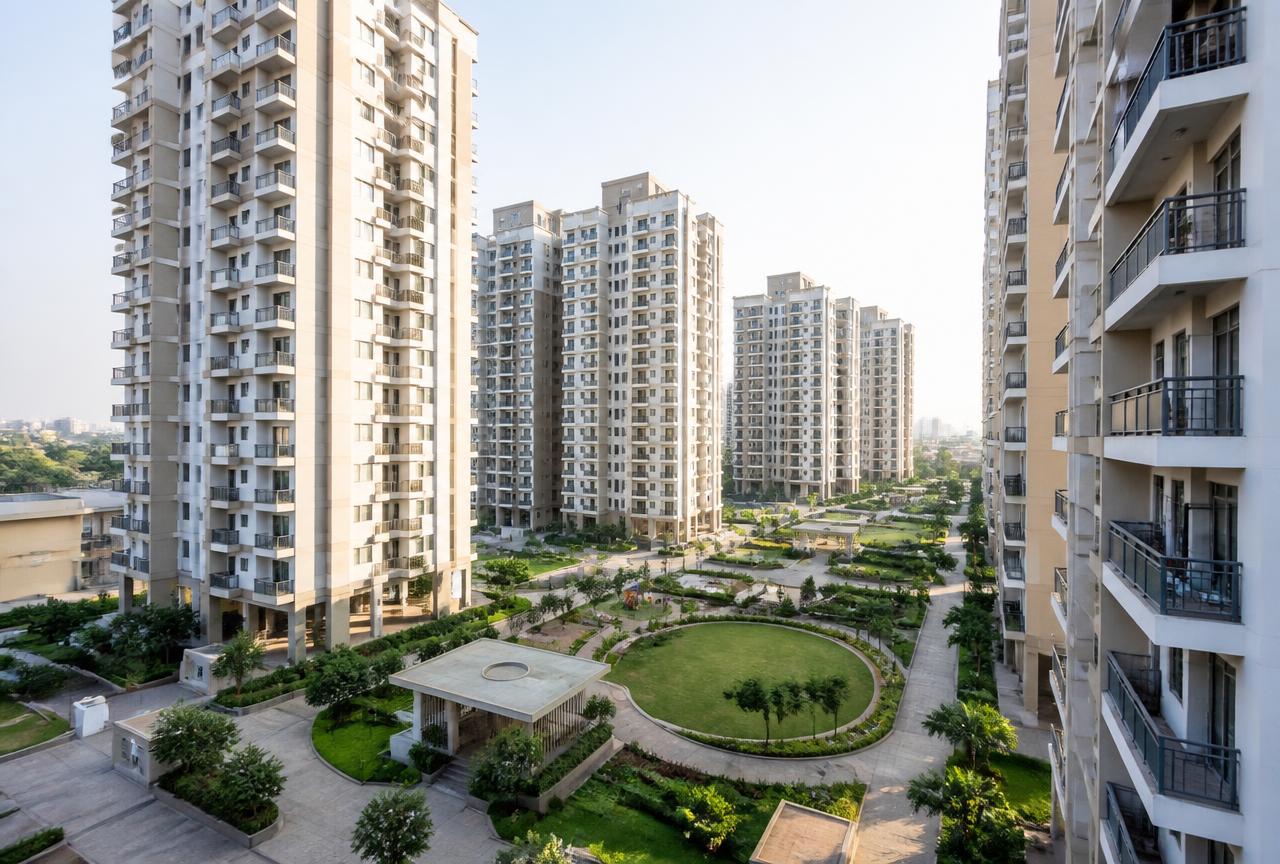
Large apartment complexes
Hundreds of WCs on one line, zero sludge to cart away.
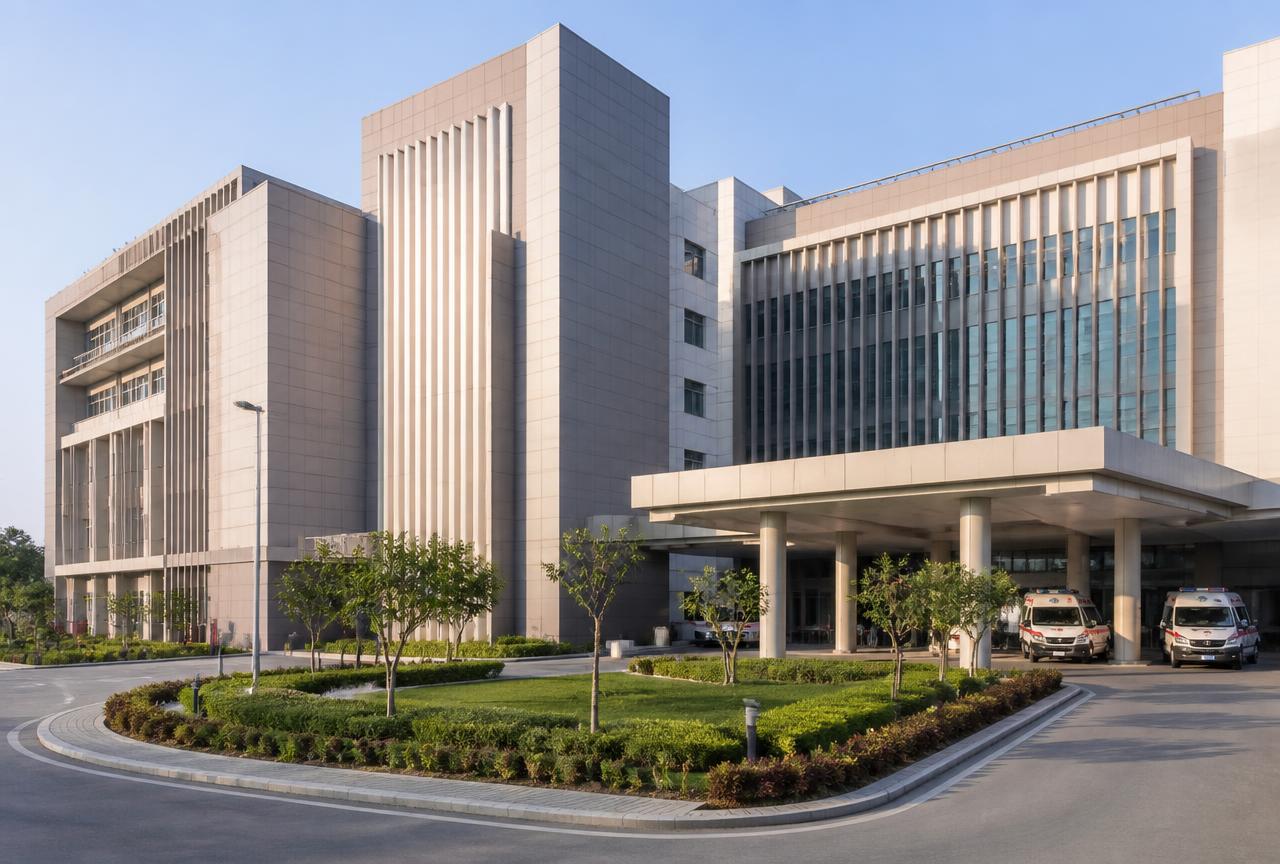
Hospitals
Continuous 24×7 load with no plant downtime.
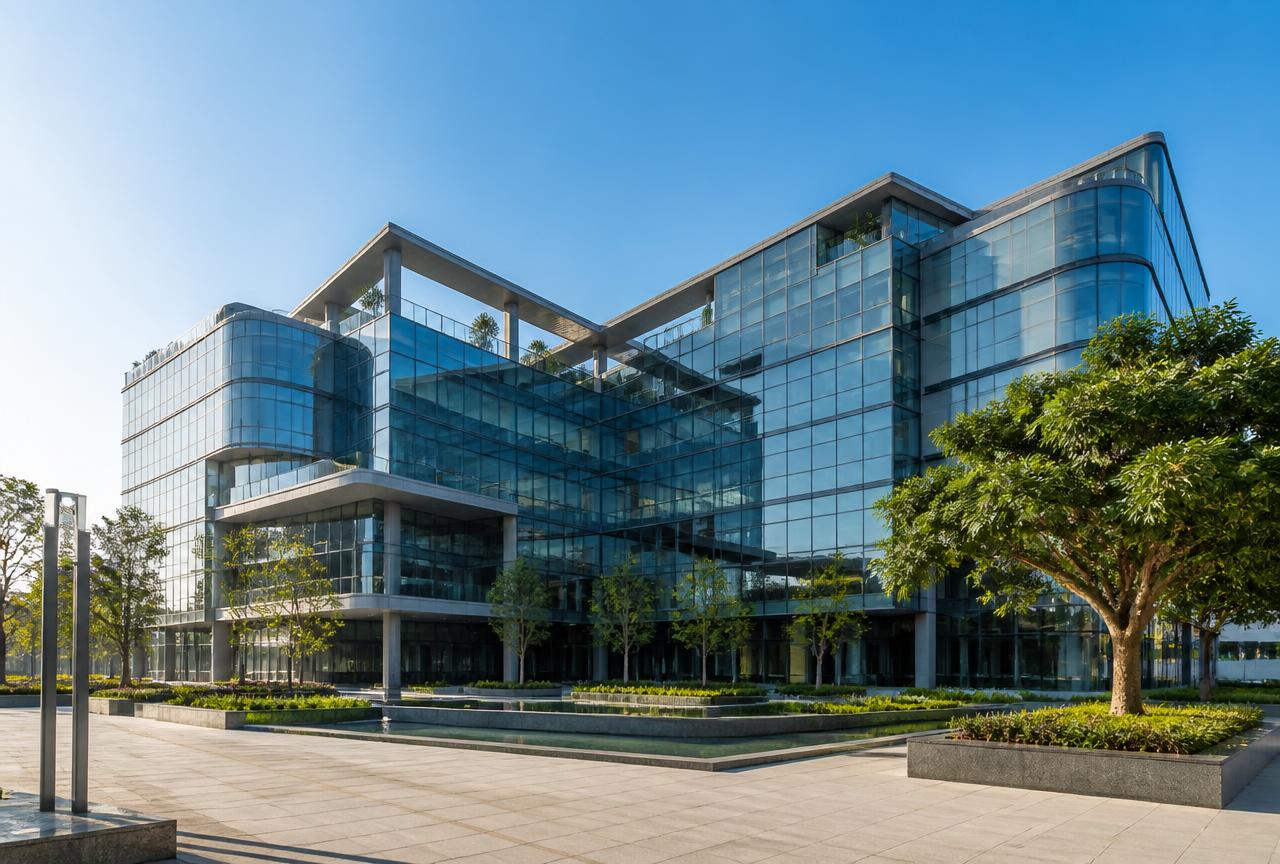
Commercial & office buildings
Retrofits around live plumbing, no new plant room.
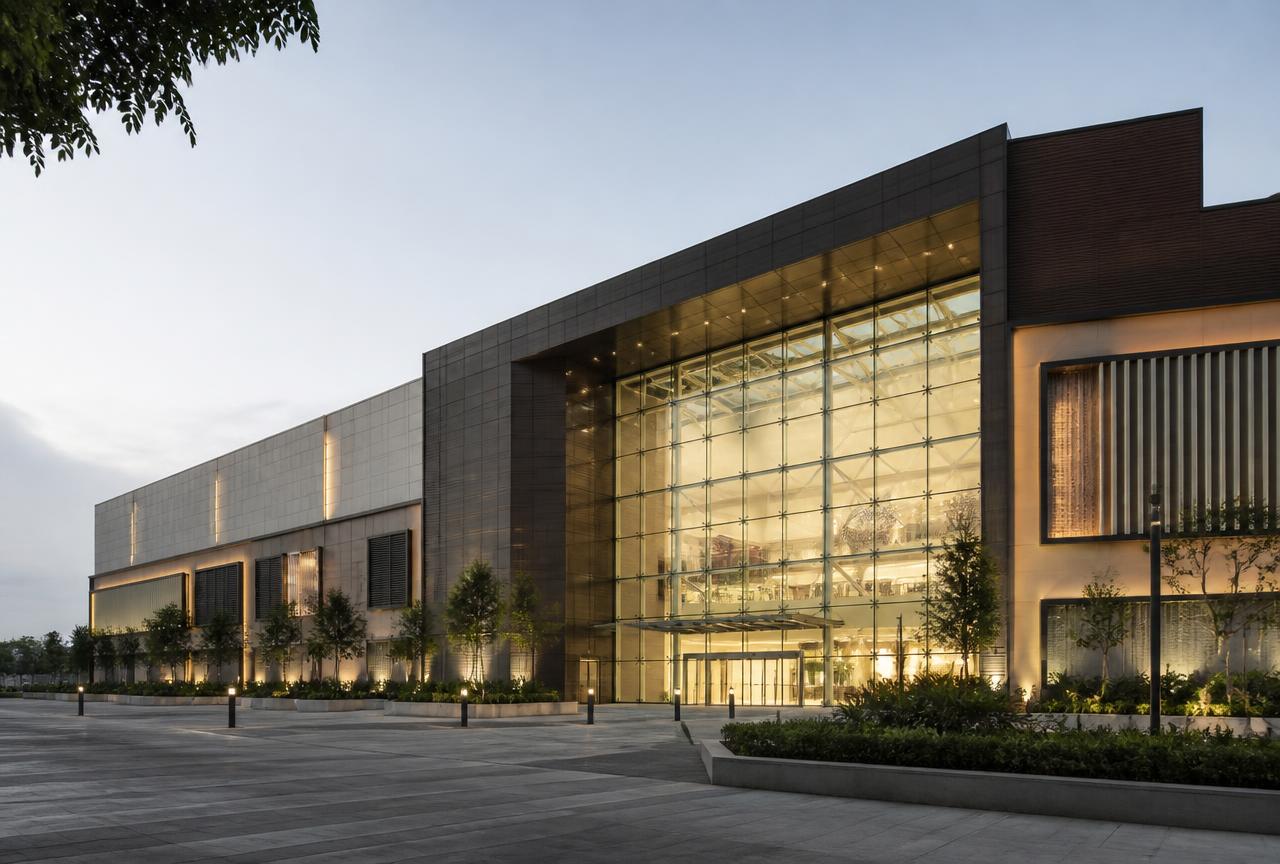
Malls & retail
Peak-hour surges handled at 60 l/s per unit.
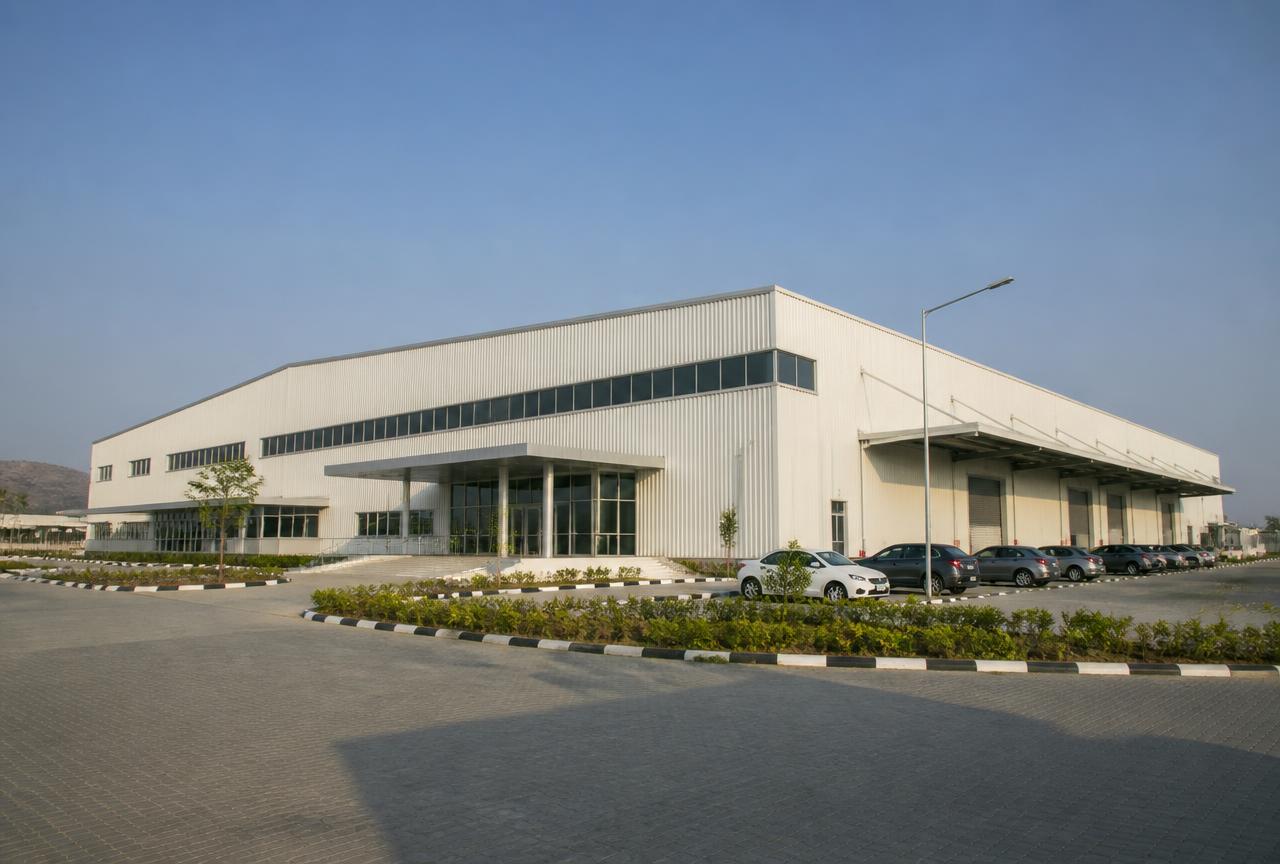
Factories & industrial campuses
Sanitary streams treated without an operator on shift.
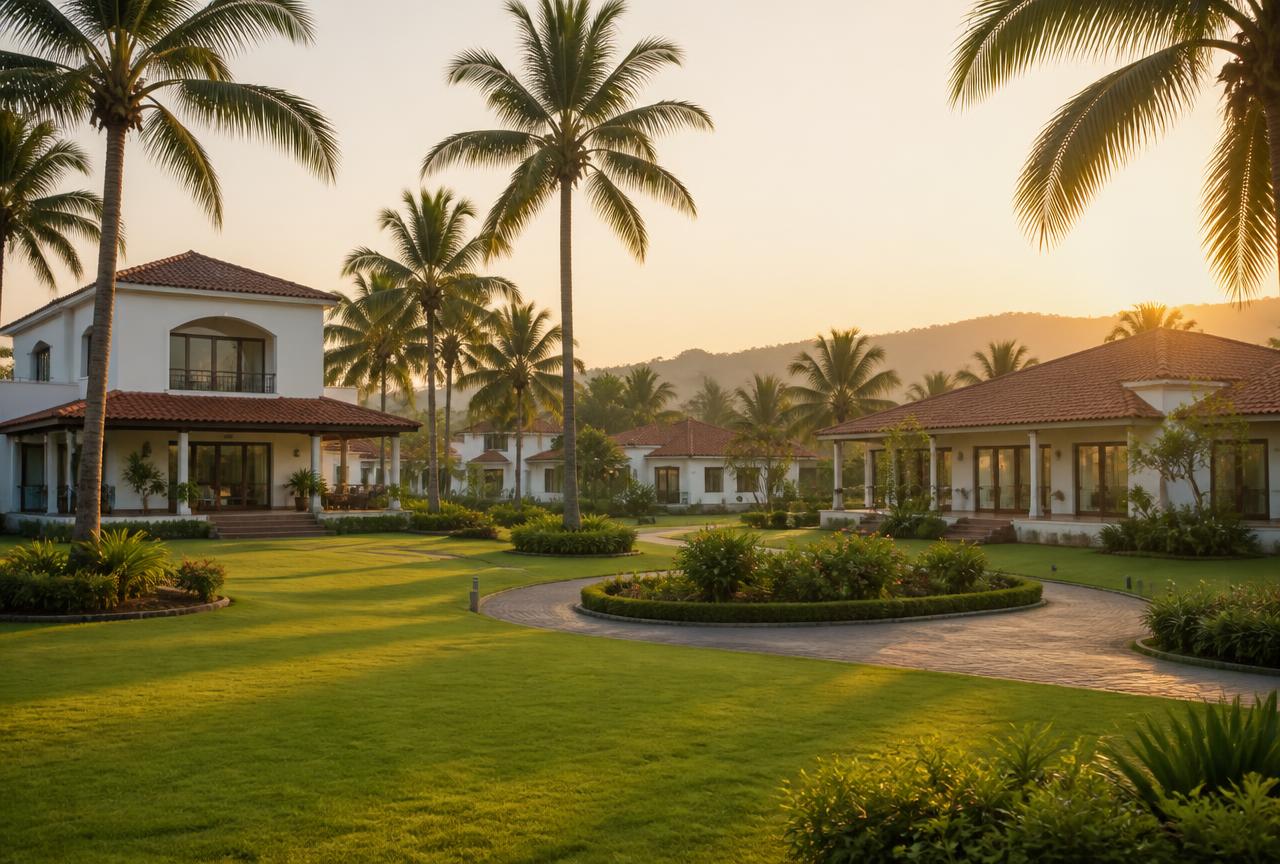
Villas & farmhouses
₹88.9 L against ₹1.64 Cr conventional on a 75 KLD layout.
Questions engineers ask us first
How can a sewage plant run without producing sludge?+–
The patented European separation stage pulls faecal solids out of the flow before biology begins. Those solids drop into a bio-chamber and compost down to a small volume of dry humus, so there is no wet sludge, no press and nothing to cart away.
Does the separation stage really use no electricity?+–
The separator has no moving parts and works on surface tension and gravity alone. Power is only drawn by the downstream liquid treatment, filtration and UV — which is why sites report up to 65% less electricity than a conventional plant.
Do we need a full-time operator?+–
Up to 500 KLD the plant runs without a dedicated operator. Routine attention — checking the bio-chamber, filters and UV lamp — is enough, and that is the main reason annual OPEX falls by up to 80%.
Is the treated water safe to reuse?+–
Yes. Output is filtered and UV-disinfected for gardening, flushing and chiller make-up. Lab results from installed sites clear NGT and CPCB limits comfortably — for example BOD down from 77 to 7.3 mg/l and E. coli absent.
Will it smell, and how much space does it need?+–
Solids stay sealed in the bio-chamber, so there is no open sludge and no odour nuisance. The layout needs about 60% less built-up space than a conventional STP of the same capacity.
Can it be retrofitted into an existing building?+–
Yes. Retrofits are routine — the WeWork BlueOne Square 50 KLD plant in Gurgaon replaced an existing system. Each unit is 600 × 500 × 500 mm with 110 mm inlet and outlet, serving up to 25 WCs at a 60 l/s peak.
What does it cost compared with MBBR, SBR or MBR?+–
For a 1 MLD plant the indicative CAPEX is ₹5.14 Cr against ₹7.61 Cr for MBR, ₹8.24 Cr for SBR and ₹9.15 Cr for MBBR — roughly 35% lower project cost, before the running-cost savings.
How long does the plant last and who services it?+–
Design life is 50 years, backed by 38+ years of field history, 300+ plants in India and 12,000+ worldwide. India Water Systems handles supply, installation and service anywhere in the country.